Material readiness by package
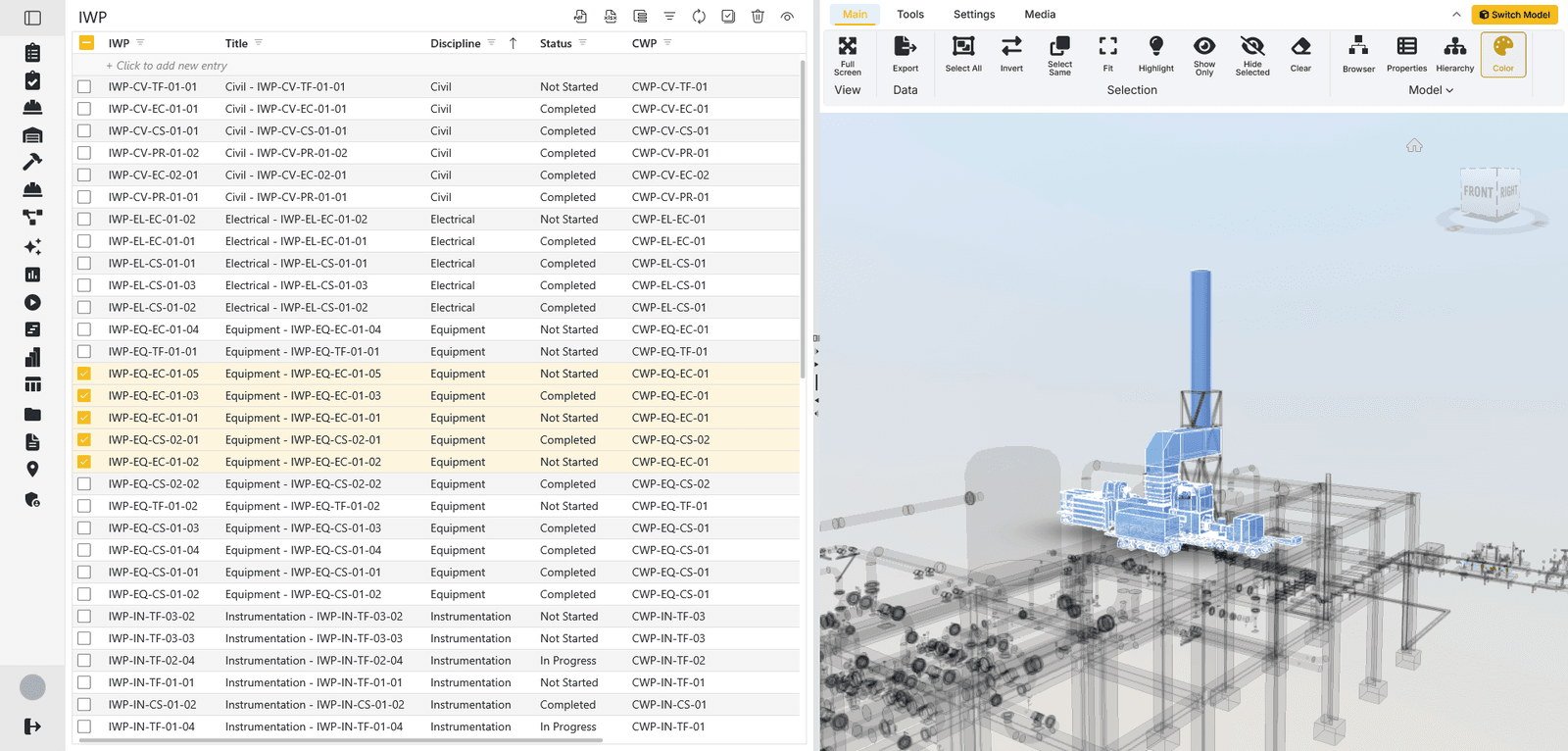
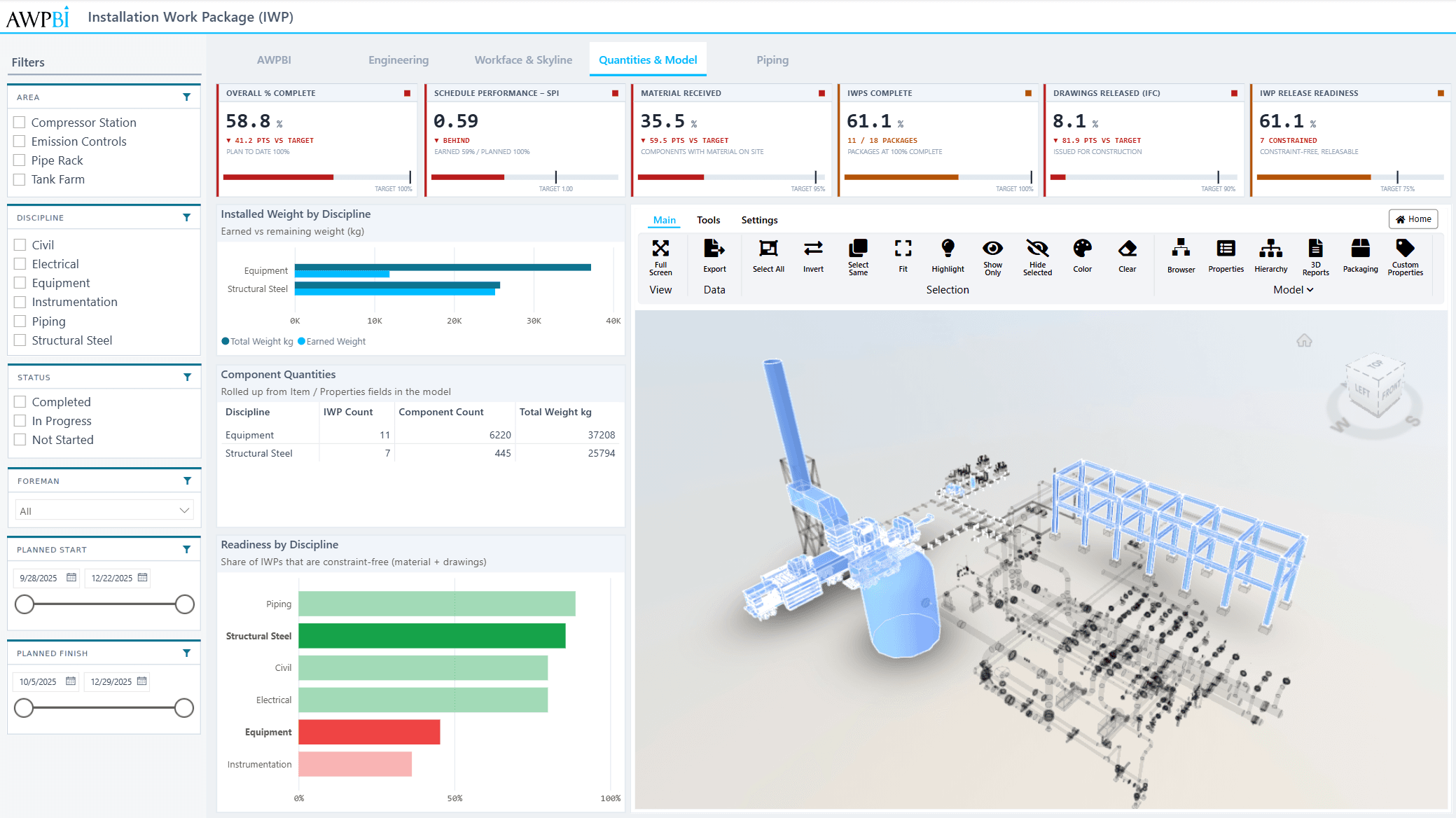
Readiness rolled up by CWP and IWP, checked against the bill of materials, so planners release packages on confirmed material rather than on a promise date.
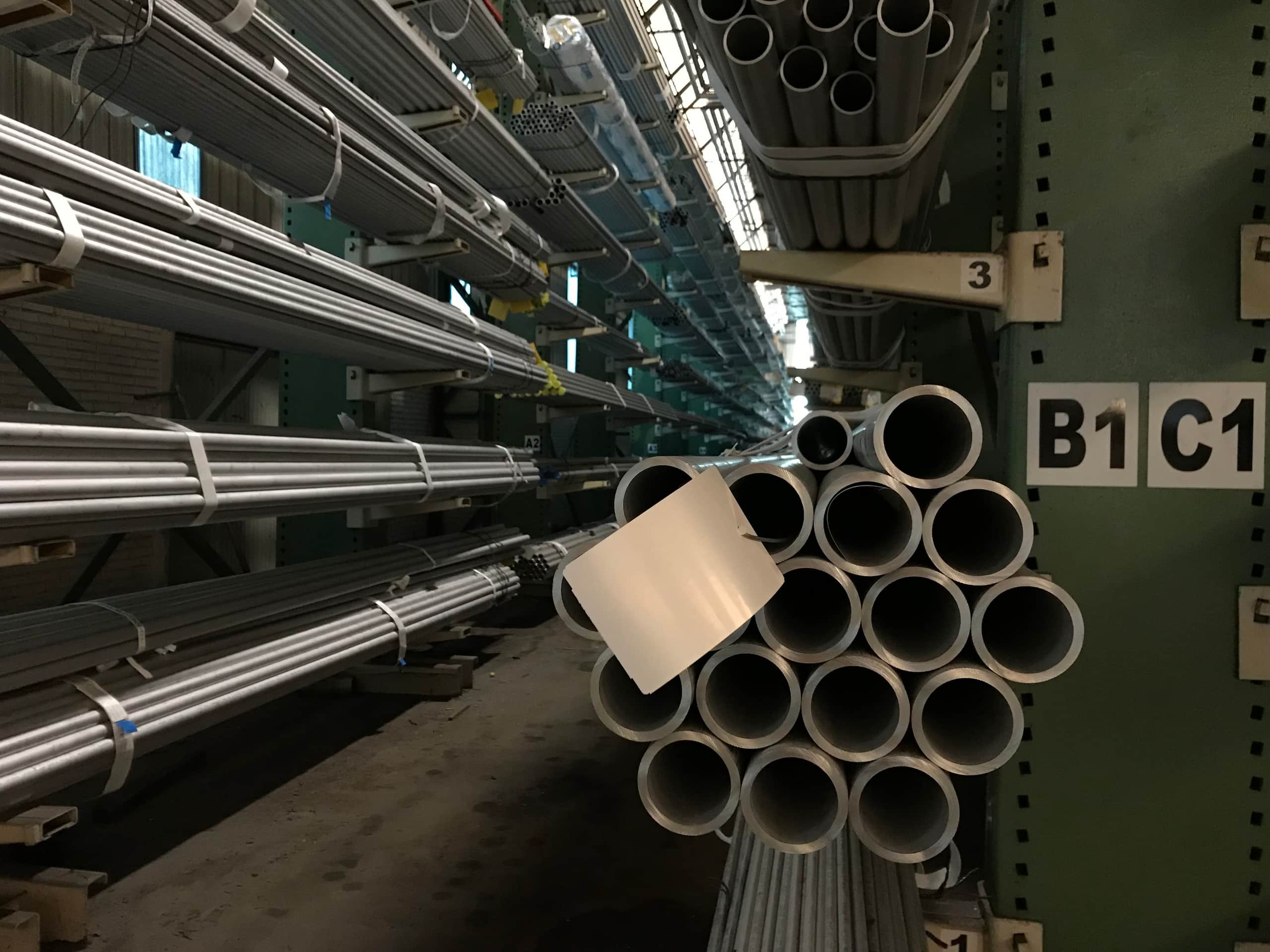
We run project materials as a service, tracking every tag from purchase order to laydown to installation and reconciling it against the work packages that need it.
Readiness rolled up by CWP and IWP, checked against the bill of materials, so planners release packages on confirmed material rather than on a promise date.
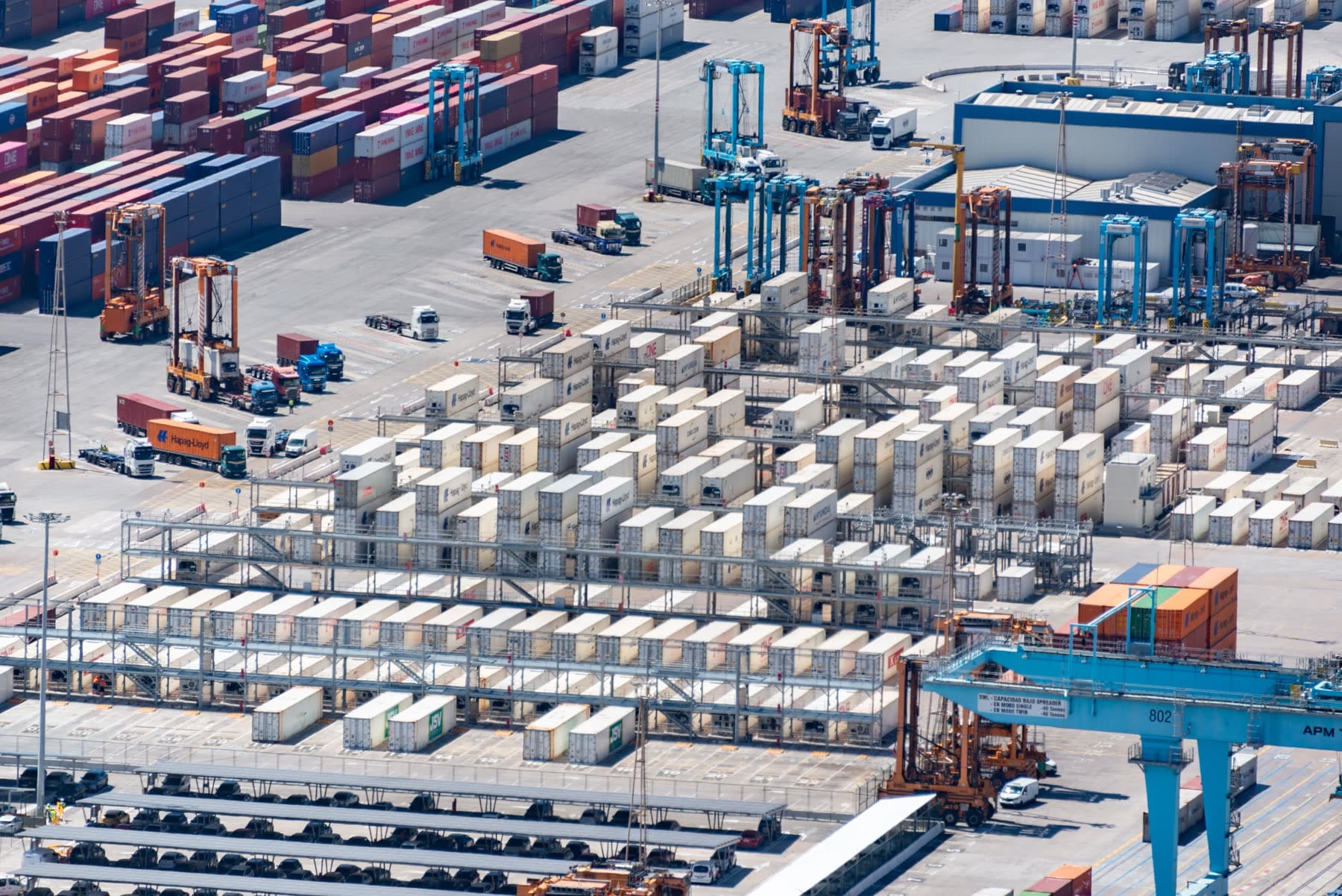
Every tag followed from purchase order through shipping, receiving, laydown, issue, and installation, with the record kept current in the materials system your project runs.
Receiving, location, preservation, and issue transactions kept accurate enough to find any tag in minutes and to trust the on-hand numbers in the readiness rollup.
A work package is only executable when its material is on site, verified, and reserved for the crew that needs it. That is why material readiness sits at the center of every advanced work packaging program we run. Material is a formal constraint on every IWP; a package does not release to the field until its tags are received, inspected, and confirmed against the bill of materials. Managing that flow takes procedures, data requirements, and specifications that engineering, procurement, and construction all work to, and a materials record that stays true from the first purchase order to the last installed spool.
We staff and run that function. Our team has managed materials on capital projects from $20M to $10B, working in Smart Materials and the project ERP alongside the schedule and the model. The work covers receiving and laydown data, warehouse and issue transactions, preservation tracking, and the reconciliation between what procurement promised, what the vendor shipped, what the warehouse holds, and what each CWP and IWP requires. Shortages surface while there is still float to act on them, and surplus is visible before it is bought twice.
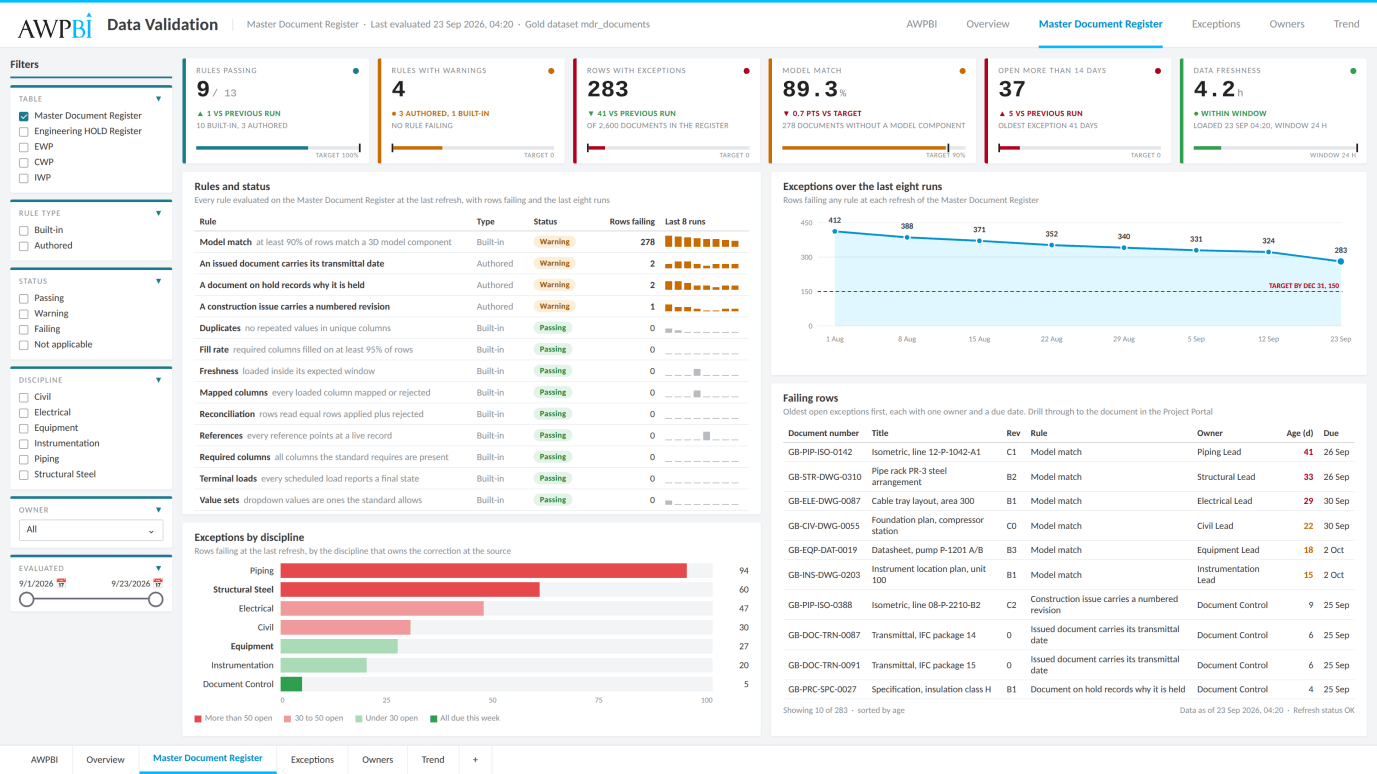
Data validation runs through all of it. From path of construction to engineering, procurement, vendors, construction, and operations, we build automatic and manual validations that check every tag and every promise against what was agreed, and we fix the failures where they happen. The materials picture publishes to Power BI dashboards the whole project reads, with readiness rolled up by CWP and drill-down to the tag. The materials management resource hub covers the method; this page covers what we deliver when we run it.
Tell us where the reconciliation hurts and we will show you how we run it, on your systems and your data.